
The Theology of Choice
The Canterbury TalesThis flow follows debates about providence, dreams, and human agency as characters act within uncertain systems of fate.
increasing Bearing strength in each event
 decreasing
Bearing strength in each eventdecreasingSaturn’s Arrangement
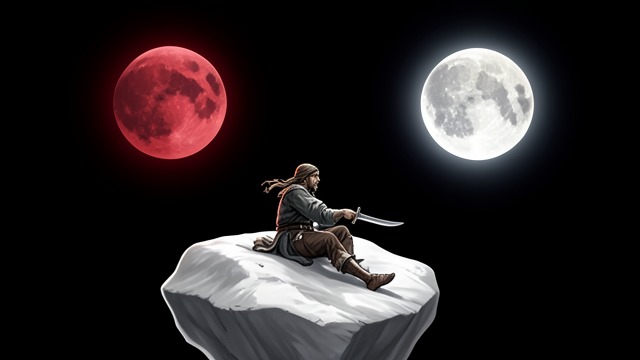
Saturn’s Arrangement
Divine Conflict
Venus favors Palamon while Mars favors Arcite. Their rivalry appears in the heavens as well as in the lists.
Providential Resolution
Saturn promises that both powers will receive partial satisfaction. The arrangement suggests that human victory may be only one movement within a larger order.
Emily’s Prayer
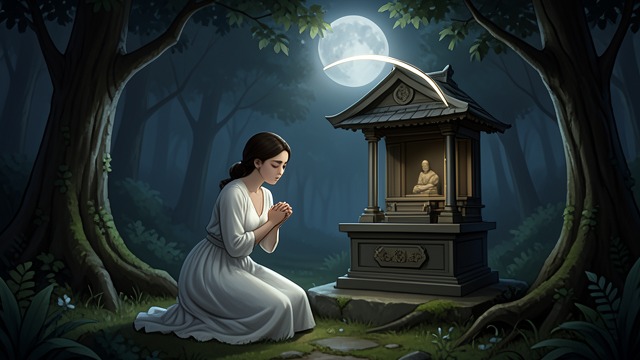
Emily’s Prayer
Desire for Chastity
Emily asks Diana to preserve her maidenhood and free both lovers from fixation. Her prayer challenges the assumption that marriage must be her fulfillment.
Consent to Necessity
When the goddess declares that one lover must marry her, Emily accepts a fate she did not choose. Her agency becomes negotiation with an imposed future.
Dream and Warning
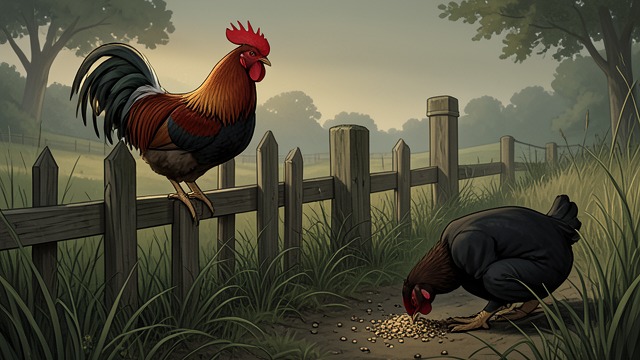
Dream and Warning
Competing Interpretations
Chanticleer reads his dream as a warning, while Pertelote explains it through humors and bodily disorder. Neither interpretation can guarantee safety.
Choice Under Uncertainty
Chanticleer follows reassurance rather than fear. The danger lies not in dreaming itself but in the confidence with which a dream is accepted or dismissed.
The Free Will Debate
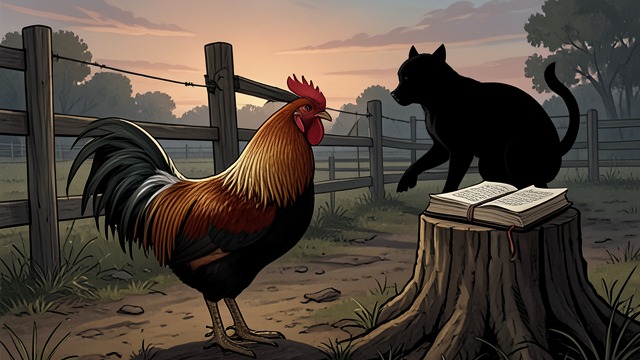
The Free Will Debate
Scholarly Problem
The narrator pauses over whether foreknowledge compels action. The discussion frames Chanticleer’s coming capture within a philosophical dispute.
Narrative Return
The tale refuses to settle the question before returning to the cock. Storytelling preserves uncertainty while still assigning practical blame to carelessness.
Acceptance of Mortality
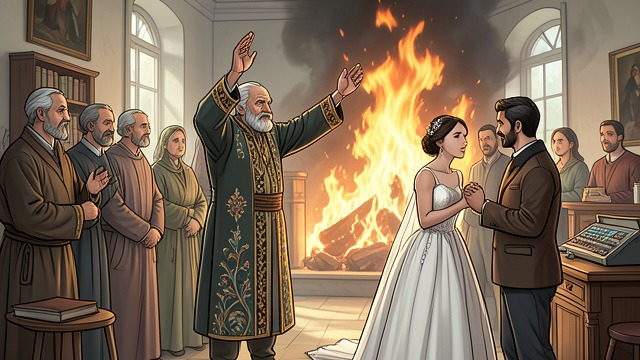
Acceptance of Mortality
Aegeus’s Consolation
Aegeus reminds Theseus that every life ends and that joy and sorrow alternate. Death becomes part of the world’s created order rather than a mere injustice.
Virtue of Necessity
Theseus urges the living to accept what cannot be avoided. The wedding that follows turns bereavement into a difficult form of social renewal.
Before the tournament outcome
The morning before the tournament
Before Chanticleer leaves the perch
During the fox’s concealment
The conclusion of The Knight’s Tale
